
Streamline Your Manufacturing Operations with Odoo ERP
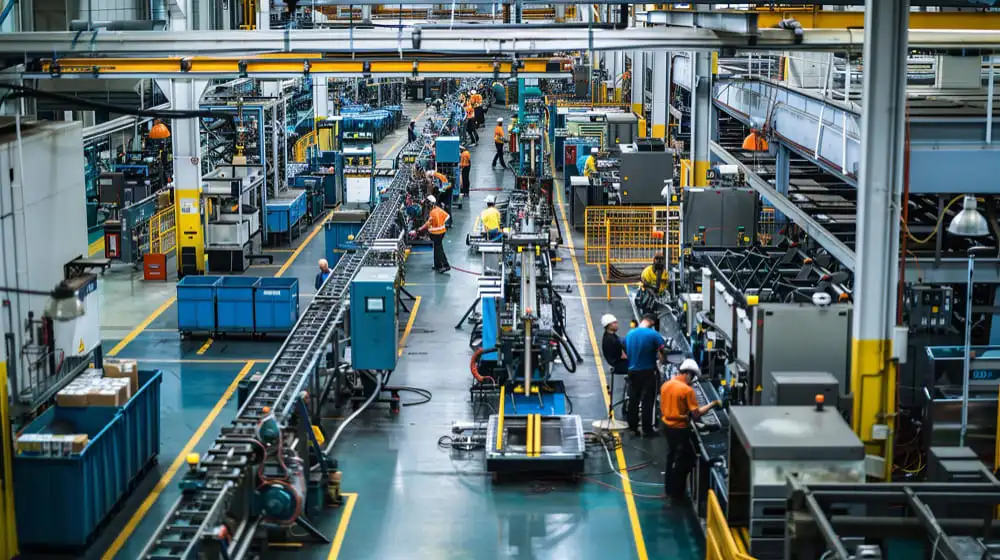
Manufacturing businesses operate in an environment where every delay, stock shortage, production error, and communication gap can affect profitability.
From managing raw materials and production schedules to monitoring work orders, quality, inventory, and deliveries, manufacturers need accurate information and connected processes. However, many businesses still rely on spreadsheets, disconnected software, and manual workflows to manage critical operations.
This can lead to:
- Production delays
- Inventory shortages or excess stock
- Inaccurate data
- Poor production planning
- Higher operational costs
- Limited visibility across departments
An integrated ERP system can help manufacturers bring these processes together.
This is where Odoo ERP for Manufacturing Companies can provide a practical solution by connecting production, inventory, purchasing, quality, maintenance, sales, and other business functions within a unified system.
The Challenges of Managing Manufacturing Operations
Manufacturing is more than simply producing a finished product.
A typical production cycle involves multiple connected activities, including:
- Procuring raw materials
- Managing inventory
- Creating bills of materials
- Planning production
- Assigning work orders
- Monitoring work centers
- Performing quality checks
- Tracking finished goods
- Managing deliveries
When these processes are handled using separate systems, information can become fragmented.
For example, the sales team may not have real-time visibility into production capacity, while the production team may not know whether enough raw materials are available for an upcoming order.
Odoo Manufacturing is designed around manufacturing orders, work orders, bills of materials, work centers, production planning, shop-floor workflows, subcontracting, and reporting.
How Odoo ERP Helps Streamline Manufacturing Operations
1. Centralize Your Manufacturing Processes
One of the biggest advantages of an ERP system is centralization.
Instead of managing different processes through multiple spreadsheets and applications, Odoo can connect key business functions such as:
- Manufacturing
- Inventory
- Purchase
- Sales
- Quality
- Maintenance
- Accounting
This creates a more connected flow of information across the organization.
When departments work from the same system, businesses can reduce duplicate data entry and improve visibility into day-to-day operations.
2. Simplify Bill of Materials Management
A Bill of Materials, or BoM, defines the components and operations required to manufacture a product.
For manufacturers managing multiple products, variants, or production processes, maintaining accurate BoMs manually can become challenging.
Odoo allows manufacturers to configure products and their associated BoMs, including components and operations. It also supports more advanced manufacturing setups such as multilevel BoMs and product variants.
This helps businesses create a more structured approach to production planning.
3. Improve Production Planning with Manufacturing Orders
Production planning becomes difficult when businesses do not have clear visibility into what needs to be manufactured and when.
Odoo uses Manufacturing Orders and Work Orders to organize production activities.
A Manufacturing Order can define:
- The product to be manufactured
- The quantity to produce
- The relevant Bill of Materials
- Required components
- Production operations
Once configured, the associated components and work orders can be used to guide the production process.
This creates a more organized workflow compared with manually coordinating production through calls, emails, or spreadsheets.
4. Gain Better Control Over Work Orders and Work Centers
Manufacturing businesses often operate through multiple workstations, machines, or departments.
Without a centralized system, tracking the progress of work can be difficult.
Odoo allows manufacturers to manage work orders and work centers as part of the production workflow. The Shop Floor functionality is designed to provide real-time control of work orders and can support related activities such as maintenance operations, quality issues, and feedback.
This can help production managers better understand:
- Which jobs are in progress
- What operations are pending
- Where production bottlenecks may occur
- How long specific operations take
5. Improve Inventory Visibility
Inventory problems can directly impact production schedules.
Running out of critical components can delay manufacturing, while overstocking can increase storage and working-capital costs.
Odoo connects manufacturing workflows with inventory processes. Depending on the configured manufacturing route, businesses can manage component movements and finished products through one-, two-, or three-step manufacturing workflows.
This creates better coordination between the warehouse and production teams.
6. Track Products with Lot and Serial Numbers
Traceability is important for many manufacturing businesses, particularly when products, batches, or components need to be identified later.
Odoo supports lot and serial number tracking for configured products, helping businesses maintain records of manufactured products as they move into inventory.
This can support stronger traceability and make it easier to investigate product-related issues when required.
7. Strengthen Quality Control
Quality issues can lead to:
- Customer complaints
- Product returns
- Rework
- Material wastage
- Increased production costs
Quality management should not be treated as a separate activity that happens only after production is complete.
Odoo’s manufacturing ecosystem includes quality-related workflows and allows quality checks to be incorporated into production processes.
This helps businesses build more structured quality controls into their operations.
8. Manage Maintenance Alongside Production
Unexpected equipment downtime can disrupt the entire production schedule.
When production teams and maintenance teams work independently, machine-related issues may not be addressed quickly enough.
Odoo’s Shop Floor and manufacturing workflows can connect production activities with maintenance-related operations and feedback loops.
A connected approach can help businesses improve communication around equipment issues and production interruptions.
9. Improve Production Visibility with Real-Time Data
Manufacturing decisions are more difficult when managers rely on outdated reports.
A connected ERP system gives businesses a clearer view of operational data.
Odoo Manufacturing includes reporting areas covering production analysis, delays, allocation, and overall equipment effectiveness, depending on the configuration and version used.
This information can help manufacturers identify trends, bottlenecks, and areas that require attention.
From Sales Order to Finished Product: A More Connected Workflow
One of the key benefits of an integrated ERP approach is the connection between different stages of the business.
A typical workflow can look like this:
Customer Demand → Sales → Inventory Check → Procurement → Manufacturing → Quality → Finished Goods → Delivery
When these processes are connected, teams spend less time manually transferring information between systems.
For example, manufacturing orders can use the configured Bill of Materials and work orders, while completed production can register finished goods into inventory.
This can improve coordination between departments and create a more consistent flow of information.
Key Benefits of Odoo ERP for Manufacturers
Implementing the right ERP solution can help manufacturers work toward:
Better Production Planning
Plan manufacturing activities with more structured production workflows.
Improved Inventory Control
Connect component availability and finished goods with manufacturing operations.
Greater Operational Visibility
Access manufacturing data, work orders, and production information from a centralized platform.
Reduced Manual Work
Minimize repetitive data entry and disconnected spreadsheets.
Better Traceability
Use lot and serial number tracking where required.
Stronger Quality Processes
Integrate quality checks into manufacturing workflows.
Easier Scalability
Expand the system as the business adds new products, warehouses, users, or operational requirements.
Is Odoo ERP Right for Your Manufacturing Business?
Odoo can be suitable for manufacturers that want to move away from disconnected systems and create more integrated workflows.
It may be particularly relevant for businesses dealing with:
- Complex Bills of Materials
- Multiple work centers
- Raw material management
- Production planning
- Multi-stage manufacturing
- Quality requirements
- Lot or serial number tracking
- Multiple warehouses
- Subcontracting workflows
Odoo supports manufacturing configurations ranging from simpler one-step workflows to more structured two- and three-step processes.
However, the success of an ERP project depends heavily on understanding existing business processes before implementation.
How to Get the Most Value from Odoo ERP
Simply installing ERP software is not enough.
A successful implementation should begin with understanding how your manufacturing business currently operates.
Key steps include:
1. Map Existing Processes
Identify how materials move from procurement to production and delivery.
2. Identify Operational Bottlenecks
Look for recurring delays, manual tasks, duplicate data entry, and communication gaps.
3. Define the Required Workflows
Configure the system around practical business requirements rather than adding unnecessary complexity.
4. Clean and Prepare Your Data
Review product information, inventory records, suppliers, customers, and Bills of Materials before migration.
5. Train Your Teams
Employees need to understand how the new workflows affect their daily responsibilities.
6. Start with the Right Modules
Implement the most important functions first and expand when the business is ready.
Final Thoughts
Manufacturing businesses need more than isolated software tools to manage increasingly complex operations.
When production, inventory, purchasing, quality, and other processes operate independently, businesses can lose valuable time and visibility.
Odoo ERP provides a connected platform that can bring these functions together. With support for manufacturing orders, Bills of Materials, work orders, shop-floor operations, inventory movements, traceability, subcontracting, and production reporting, it gives manufacturers the tools to build more structured and connected workflows.
The goal is not simply to digitize existing processes. It is to create better visibility, reduce unnecessary manual work, and build operations that can support future growth.
For manufacturing companies planning to modernize their operations, a well-planned Odoo ERP implementation can provide a strong foundation for improving efficiency, coordination, and control.
Streamline Your Manufacturing Operations with DX8
At DX8, we help businesses evaluate their processes and implement Odoo solutions aligned with their operational requirements.
Whether you are managing production through spreadsheets, using disconnected software, or planning to upgrade an existing ERP environment, the right implementation strategy can make a significant difference.
Connect your manufacturing processes. Improve operational visibility. Build a stronger foundation for growth with Odoo ERP.

Swati Rawat is a writer and researcher with a strong interest in digital transformation, emerging technologies, and the evolving intersection of business and innovation. At DX8, she focuses on translating complex ideas into clear, actionable insights, helping readers understand how technology shapes modern organizations and decision-making. With a detail-oriented approach and a passion for continuous learning, Swati contributes thoughtful, well-researched content designed to inform, engage, and empower a global audience.